Kiger Stadium


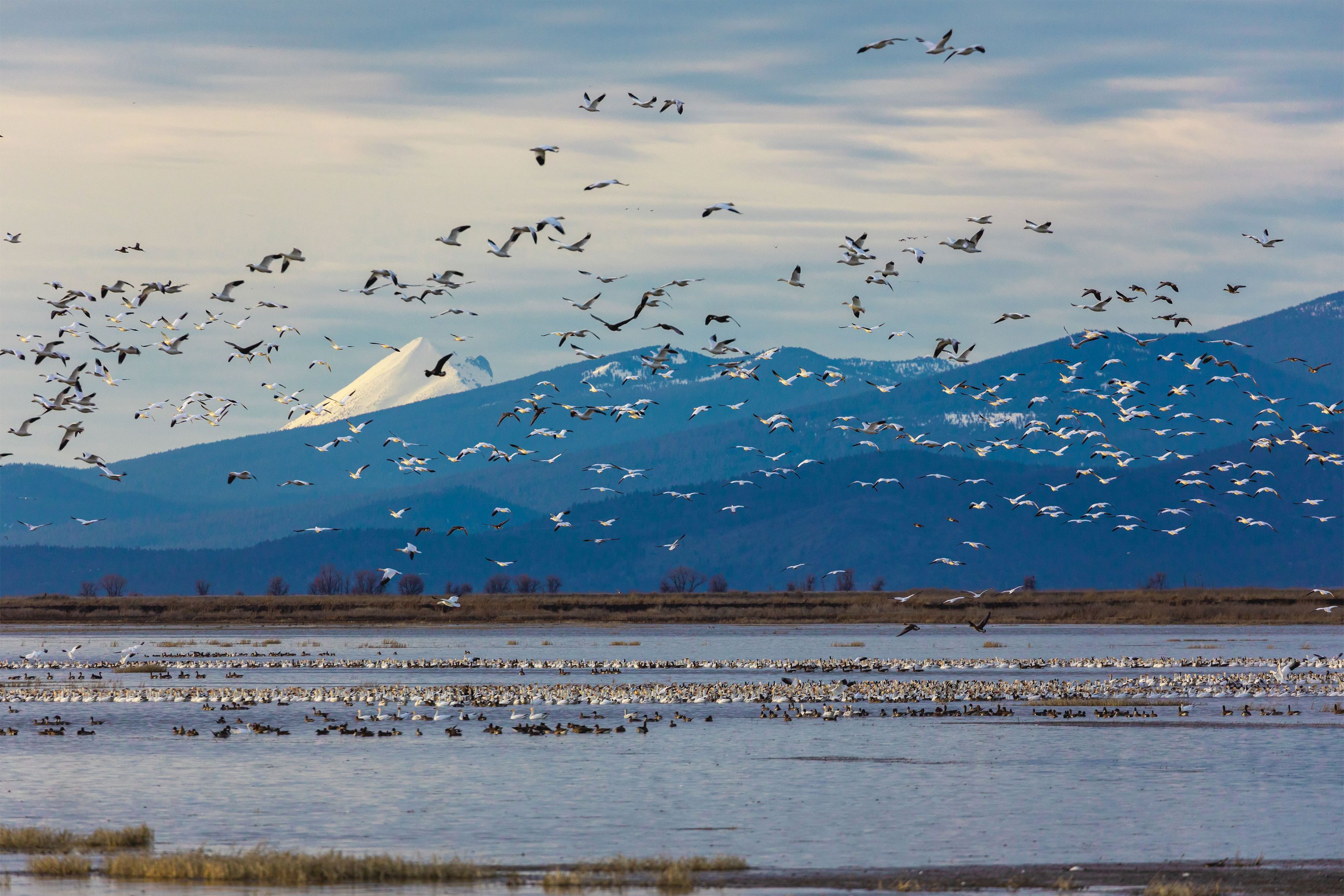
Each year, the skies above the Klamath Basin come alive as thousands of migratory birds return to its vast wetlands, lakes, and wildlife refuges along the Pacific Flyway. Against a backdrop of snow-capped peaks and sweeping high-desert landscapes, the annual waterfowl migration transforms the region into one of North America’s most spectacular birding destinations. The basin is also home to the largest wintering population of bald eagles in the contiguous United States, creating an unforgettable experience as these iconic birds soar overhead or perch along the marshes and lakeshores. From the quiet marshes of the refuges to scenic trails overlooking open water and mountain views, the Klamath Basin offers birders a rare chance to witness nature on an incredible scale—where wildlife, landscape, and migration all converge.
March 10th, 2026
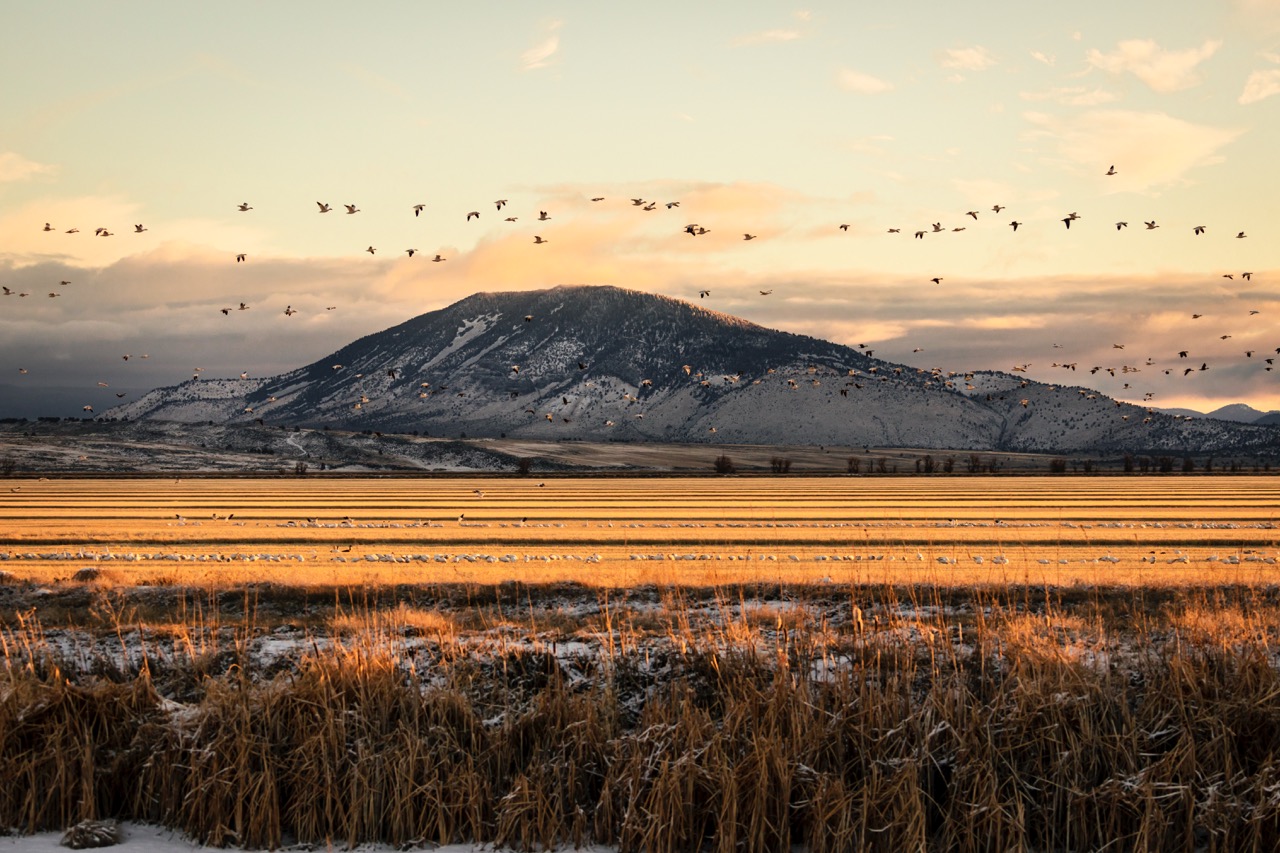
The Klamath Basin offers world-class birding opportunities throughout the winter and early spring, with peak migration typically occurring from November through mid-April. During the early winter months, birders can witness an incredible diversity of ducks and large numbers of Canada geese gathering across the region’s wetlands. As the season progresses into February through April, the spectacle grows even more dramatic as massive flocks of snow geese and white-fronted geese (often called speckle-bellied geese) arrive in the thousands, filling the skies with sound and motion. This time of year also brings the largest concentration of wintering bald eagles in the contiguous United States, making the basin one of the most remarkable places in North America to observe these iconic birds. Some of the best places to experience the migration include Lower Klamath National Wildlife Refuge, Upper Klamath National Wildlife Refuge, Tule Lake National Wildlife Refuge, Wood River Wetland, and Miller Island Unit – Klamath Wildlife Area, each offering scenic overlooks, wetlands, and trails that provide excellent viewing opportunities. For the most dramatic sights, plan your visit during the first few hours after sunrise or the final hours before sunset, when birds take to the air as they travel between roosting waters and nearby feeding fields. These golden hours often bring breathtaking moments as thousands of birds lift off at once, creating one of the most unforgettable wildlife spectacles in the Pacific Northwest.
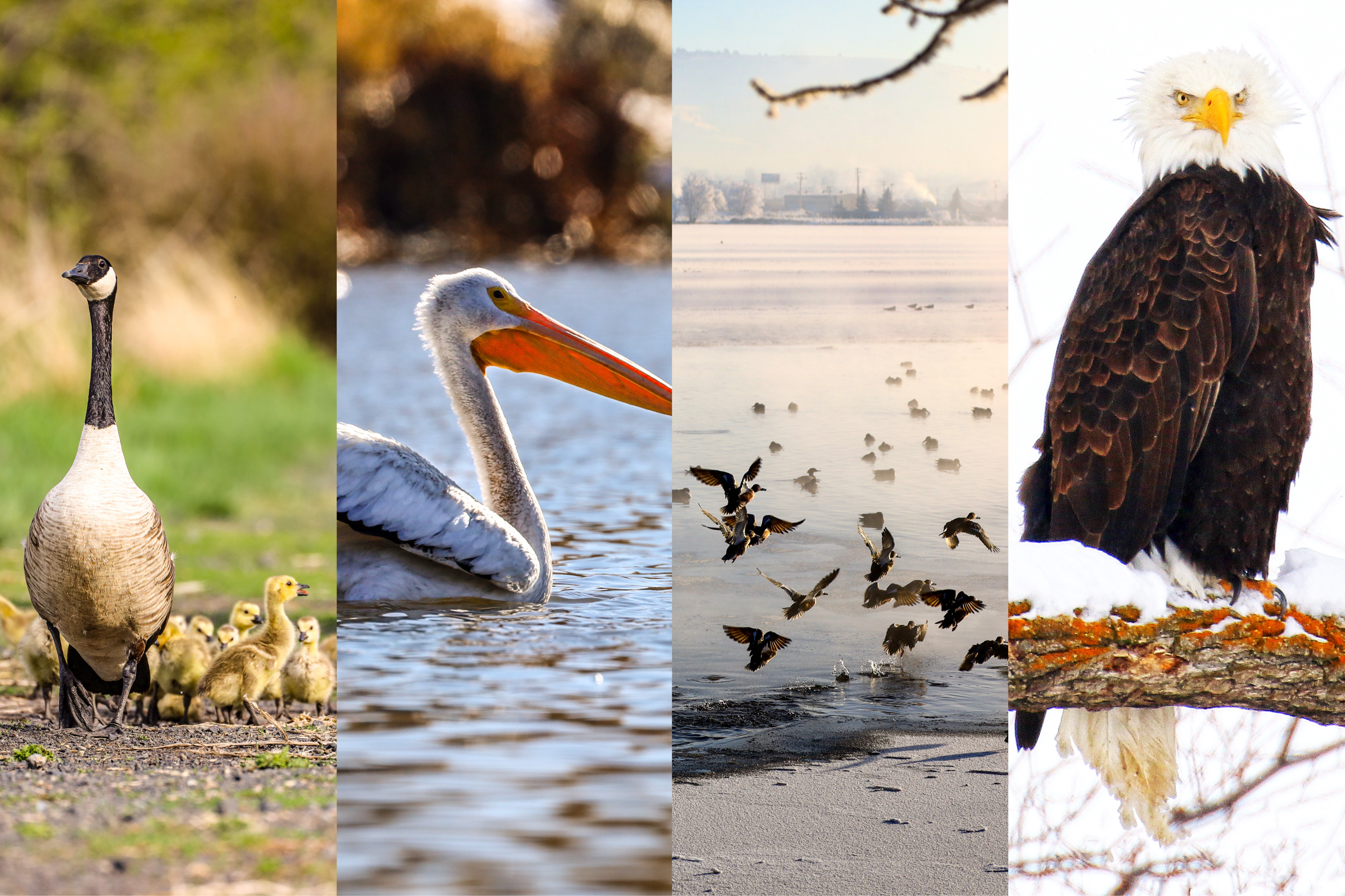
Few places in North America offer the opportunity to see such an incredible diversity of birdlife in one region. During migration season, visitors exploring the wetlands, lakes, marshes, and surrounding landscapes of the Klamath Basin may encounter a wide variety of species. Large numbers of puddle and diving ducks gather in the region’s shallow wetlands, including mallards, northern pintails, American wigeon, and northern shovelers, which can often be seen dabbling in marshes and flooded fields in search of aquatic plants and invertebrates. Expansive flocks of Canada geese are a familiar sight across the basin, while the winter and early spring months bring the dramatic arrival of snow geese and white-fronted geese (often called speckle-bellied geese) that move in massive, swirling flocks between the refuges and nearby agricultural fields.
Beyond waterfowl, birders may also spot a variety of other remarkable species throughout the region. Sandhill cranes migrate through the basin each spring, their distinctive rolling calls echoing across open wetlands and grasslands. On lakes and deeper waters, grebes dive beneath the surface in search of fish and perform one of the basin’s most fascinating wildlife spectacles—their unique mating dance—where pairs rise upright and run across the surface of the water in synchronized motion during courtship. American white pelicans are another striking sight, often gliding gracefully over open water or working together in large numbers to herd fish toward the shoreline. Along marsh edges and waterways, great blue herons stand motionless as they patiently hunt for fish and amphibians.
The basin is also famous for its bald eagles, which gather here in remarkable numbers each winter. The Klamath Basin supports the largest concentration of wintering bald eagles in the contiguous United States, making it one of the best places in the country to observe these iconic birds. Eagles can often be seen perched in tall trees near wetlands, soaring above frozen marshes, or circling overhead as they search for fish and waterfowl. The surrounding skies are also home to other birds of prey, including peregrine falcons, known for their incredible speed as they hunt across wetlands and cliffs. In the forested areas surrounding the basin, sharp-eyed birders might even catch a glimpse of the elusive northern pygmy owl, a small but fierce daytime hunter often perched quietly among conifer branches scanning for its next meal.
With such a diverse mix of wetlands, forests, grasslands, and open water, the Klamath Basin provides critical habitat for hundreds of bird species throughout the year—making every visit a new opportunity to discover something remarkable in the skies above and the landscapes below.
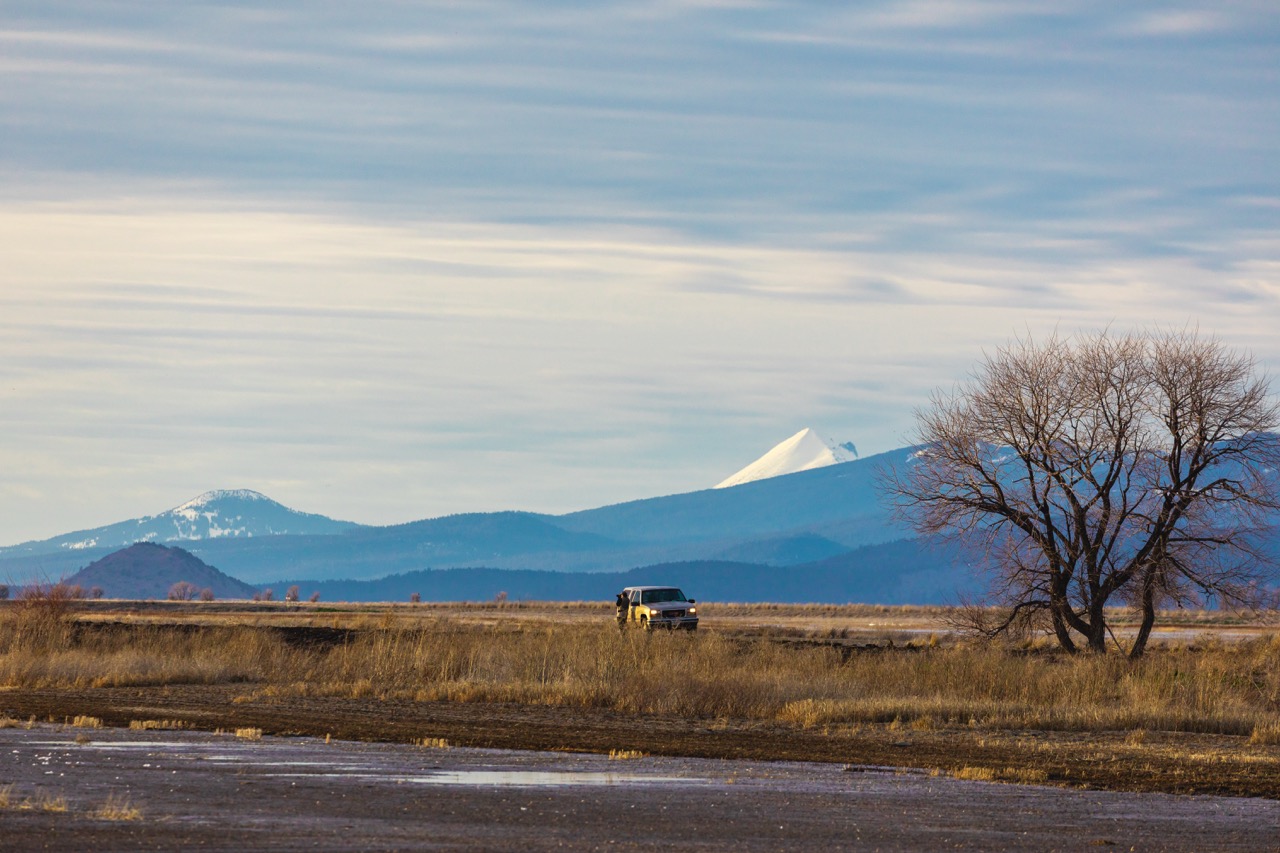
One of the most memorable ways to experience the incredible bird migration in the Klamath Basin is by taking a scenic wildlife auto tour through the region’s national wildlife refuges. These self-guided driving routes allow visitors to explore expansive wetlands, marshes, and open water habitats without ever leaving their vehicle, making them one of the easiest and most accessible ways to witness the migration up close. Routes within Lower Klamath National Wildlife Refuge and Tule Lake National Wildlife Refuge wind through prime bird habitat, offering countless opportunities to observe waterfowl, shorebirds, and raptors along the way.
As you slowly make your way along these routes, you may spot flocks of ducks resting in the wetlands, geese lifting off in large groups, or bald eagles perched in nearby trees scanning the landscape for prey. The beauty of an auto tour is that wildlife often feels less threatened by vehicles than by people on foot, allowing for surprisingly close and natural viewing opportunities. Early mornings and late afternoons are especially rewarding, when birds are most active and the golden light adds to the dramatic scenery.
Be sure to take your time, pull over at designated viewing areas, and bring binoculars or a spotting scope to fully appreciate the activity happening across the marshes and open water. With miles of protected habitat surrounding you, these auto tour routes offer a peaceful and immersive way to experience one of the greatest bird migrations in North America, all from the comfort of your vehicle!
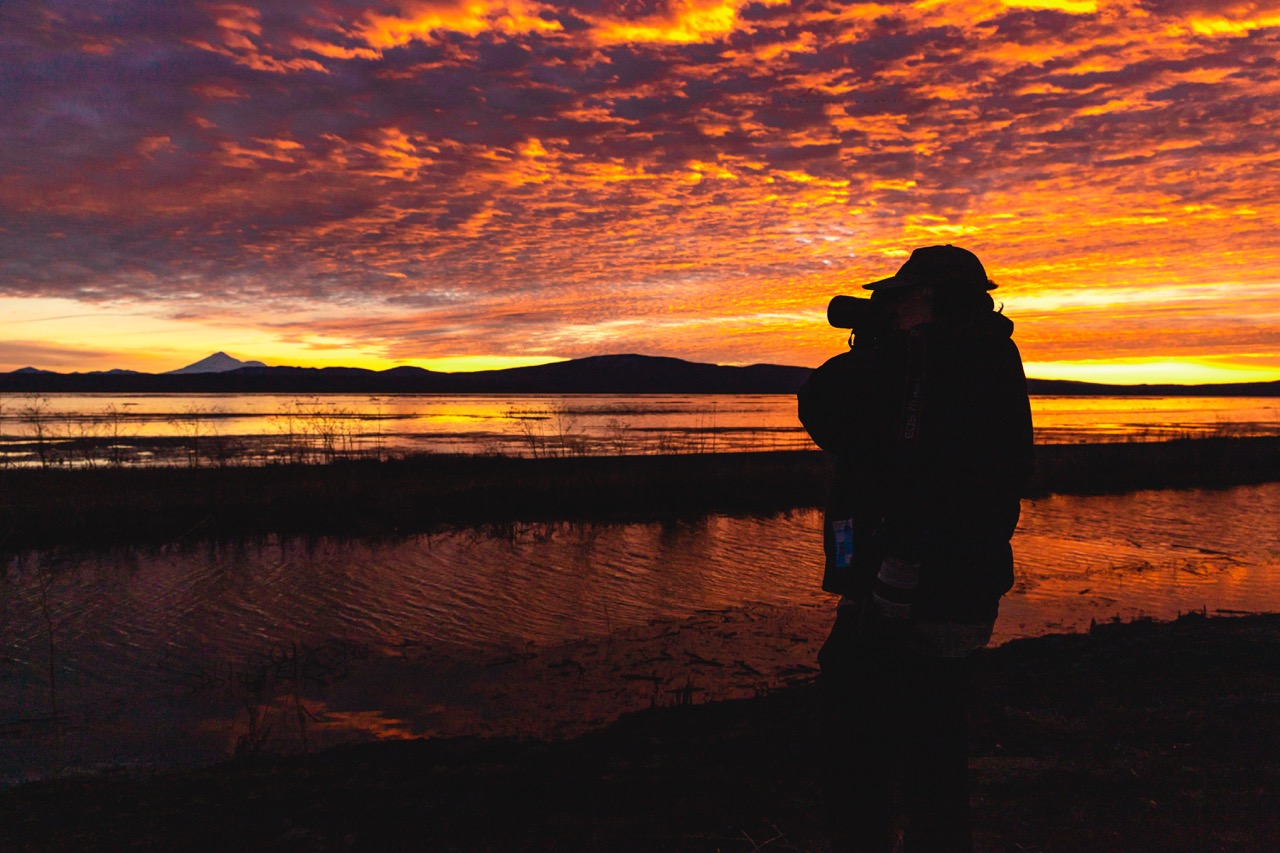
For visitors looking to gain a deeper understanding of the incredible birdlife and landscapes of the Klamath Basin, joining a guided experience can elevate your trip in meaningful ways. The region is home to knowledgeable local guides, outfitters, and wildlife experts who specialize in birding tours, waterfowl hunts, wildlife photography outings, and other outdoor adventures throughout the basin. With years of experience navigating the wetlands, refuges, and surrounding habitats, these professionals know where and when to go to witness some of the area’s most remarkable wildlife moments.
Guided birding tours are a great option for both beginners and seasoned birders alike. Experienced guides can help identify species, explain migration patterns along the Pacific Flyway, and point out subtle behaviors that visitors might otherwise miss. They often know the best viewing areas within the Lower Klamath National Wildlife Refuge, Tule Lake National Wildlife Refuge, and surrounding wetlands, ensuring visitors make the most of their time in the field.
In addition to birdwatching tours, the Klamath Basin is also known for its long-standing traditions of responsible and regulated waterfowl hunting, with experienced outfitters offering guided hunts during designated seasons. These guided experiences emphasize ethical practices, conservation awareness, and a deep respect for the natural habitats that make the region such an important stop along the migration route.
Whether you’re hoping to improve your bird identification skills, photograph iconic species like bald eagles and sandhill cranes, or experience the heritage of waterfowl hunting in the basin, working with a local guide can provide insight and access that turns a great birding trip into an unforgettable one.
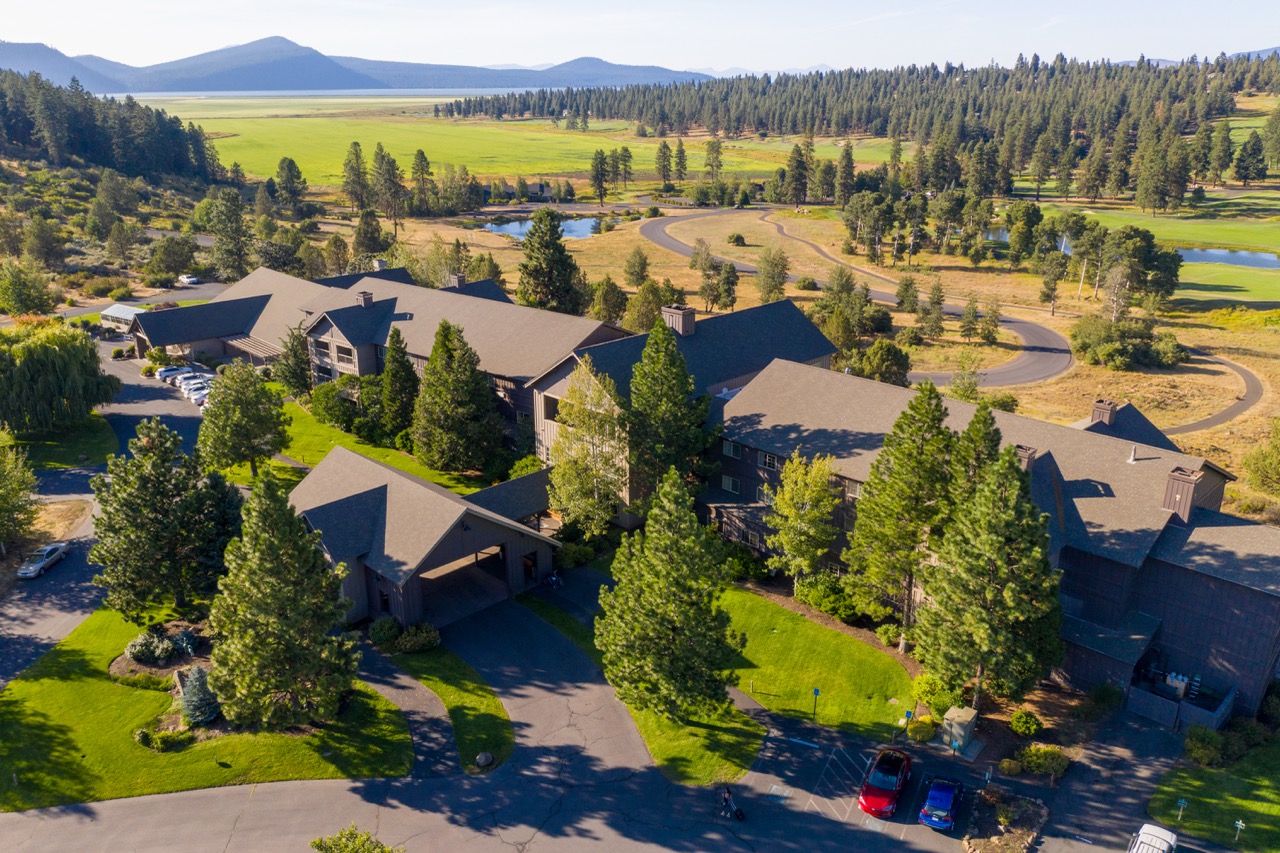
After a full day exploring wetlands, spotting migrating flocks, and scanning the skies for bald eagles, having the right place to relax and recharge can make your birding trip even more memorable. The Klamath Basin offers several unique lodging options that place you close to some of the region’s best birding habitats, making it easy to head out early in the morning when the birds are most active.
One standout option is Running Y Resort, a scenic resort set among forests, meadows, and wetlands just outside of Klamath Falls. The property itself is a haven for wildlife, with more than 245 species of birds recorded on-site along with an abundance of native plants and other wildlife. Birders often spot everything from raptors and waterfowl to songbirds while simply walking the trails around the resort. During migration season, the Running Y also offers a special lodging discount for birders. Visitors can receive a reduced rate by using the code “FLIGHTSOFFANCY.”
Learn more about birding around the Running Y Resort!
Beyond the Running Y, the basin is home to several other unique stays that make excellent birding basecamps. Upper Klamath Lake is home to the charming Crater Lake A-Frame, a lakeside retreat where guests can wake up to sweeping views and early morning bird activity along the shoreline. Along the Williamson River, The Lonesome Duck Ranch offers a peaceful waterfront setting surrounded by wetlands that attract a variety of bird species throughout the year. For those hoping to stay close to some of the basin’s most famous refuges, the Wild Goose Lodge provides convenient access just minutes from Lower Klamath National Wildlife Refuge and Tule Lake National Wildlife Refuge, making it an ideal home base for early morning birding excursions.
No matter where you choose to stay, the Klamath Basin’s unique mix of wetlands, lakes, and open landscapes means you’re never far from incredible birding opportunities. With comfortable lodging nearby, it’s easy to turn a day of birdwatching into a full weekend(or even longer), immersed in one of North America’s most remarkable wildlife destinations.
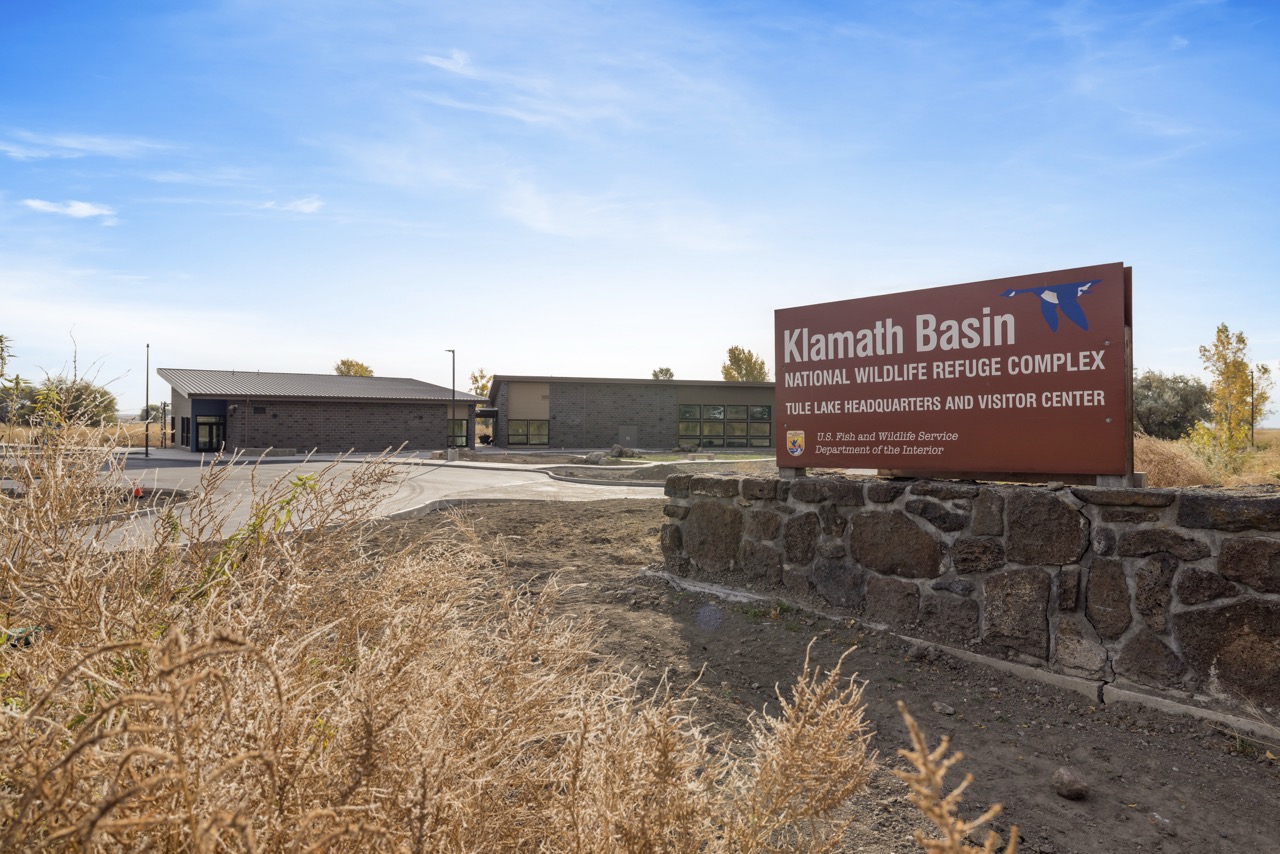
Before heading out to explore the wetlands and wildlife refuges of the Klamath Basin, it’s well worth making your first stop at the Klamath Basin National Wildlife Refuge Complex Visitor Center. Located just outside of Klamath Falls, the visitor center is an excellent resource for birders and wildlife enthusiasts looking to make the most of their time in the region. Inside, you’ll find helpful exhibits highlighting the basin’s role along the Pacific Flyway, along with information about the many bird species that migrate through the area each year.
Friendly staff and refuge volunteers are often available to share current wildlife sightings, recommend the best viewing locations, and provide maps of nearby refuges and auto tour routes. Whether you’re hoping to see large flocks of waterfowl, spot wintering bald eagles, or learn more about the ecosystems that support this incredible migration, the visitor center offers valuable insight that can help guide your adventure.
It’s also a great place to pick up birding checklists, learn about seasonal events or guided programs, and gain a deeper appreciation for the conservation efforts that protect the basin’s wetlands and wildlife. Starting your birding trip here ensures you’ll head out into the refuges with the knowledge and tools needed to fully experience one of North America’s most remarkable birding destinations.

From scenic auto tours and peaceful walking trails to paddling quiet waterways and spotting wildlife up close, the Klamath Basin’s National Wildlife Refuges offer countless ways to connect with nature. This guide breaks down the best ways to explore these protected landscapes—from birdwatching and scenic drives to guided adventures—so you can make the most of your visit. Discover why these refuges are some of the region’s best-kept outdoor secrets and start planning your wildlife adventure.